



Everything You Need To Know AboutAnimal Feed Pellet Machine
Brief Overview of the Importance of Animal Nutrition in the Context of Modern Agriculture
In the vast landscape of modern agriculture, animal nutrition stands as a cornerstone, shaping the productivity, health, and ultimately, the success of livestock operations worldwide. The art and science of nourishing animals is no longer limited to providing basic sustenance; it has evolved into a precise discipline focused on optimizing diets to meet the unique needs of various species, from cattle and pigs to poultry and aquaculture.
At the heart of this evolution lies the recognition that proper nutrition is not just about feeding animals; it's about maximizing their genetic potential, ensuring optimal growth rates, enhancing reproductive performance, and bolstering their resistance to diseases. This, in turn, translates into increased productivity for farmers, improved food quality and safety for consumers, and a more sustainable agricultural system overall.
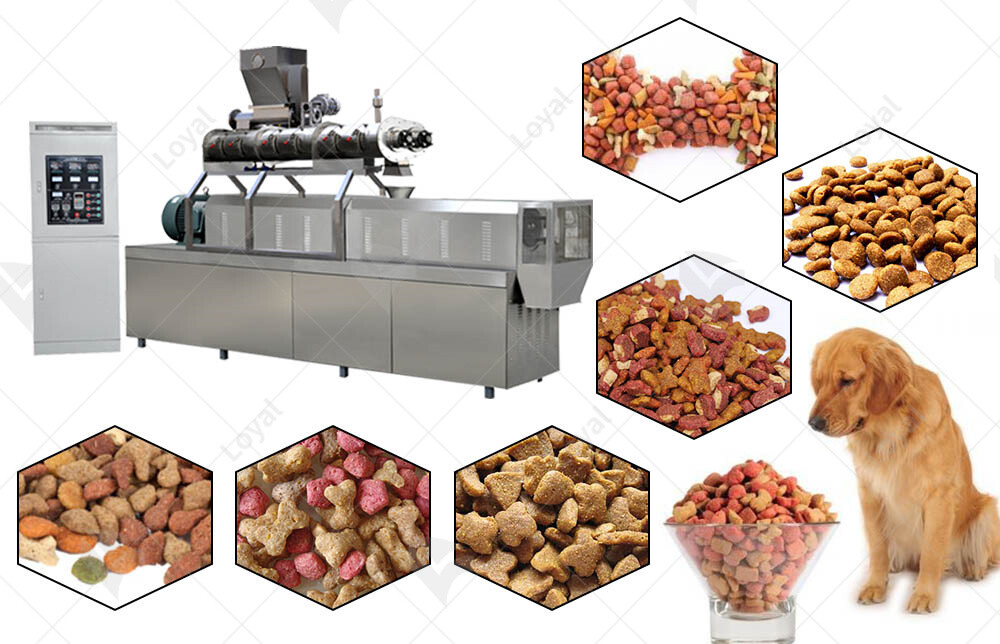
Within this context, the role of Animal Feed Pellet Machines cannot be underestimated. These sophisticated machines represent a pivotal technology in the pursuit of efficient and sustainable animal nutrition. By transforming raw ingredients into compact, uniform pellets, they not only facilitate handling and storage but also ensure that animals receive a highly palatable, nutrient-dense feed that promotes healthy digestion and absorption.
The advantages of feed pellets are numerous. They are designed to minimize nutrient segregation during handling and feeding, ensuring that animals receive a consistent, balanced diet. This consistency, coupled with the enhanced palatability of pellets, often leads to increased feed intake and improved animal performance. Moreover, feed pellets are more easily digested by animals, leading to better nutrient utilization and reduced waste.
The introduction of fully automated, energy-efficient Animal Feed Pellet Machines has further revolutionized the feed production process. These machines integrate advanced technologies such as automatic ingredient weighing, mixing, conditioning, extrusion, and pelletizing, eliminating the need for manual labor and reducing the risk of contamination. Their energy-efficient design also helps to minimize the carbon footprint of feed production, aligning with the global push towards sustainable agriculture.
In conclusion, the importance of animal nutrition in modern agriculture cannot be overstated. As the demand for animal-derived food products continues to grow, the need for efficient and sustainable feed production solutions becomes ever more pressing. Animal Feed Pellet Machines, with their ability to streamline the production of high-quality, nutrient-dense feed pellets, are playing a crucial role in meeting this challenge. In the following sections, we will delve deeper into the features and benefits of these machines, exploring how they are driving the future of animal nutrition and the livestock industry at large.
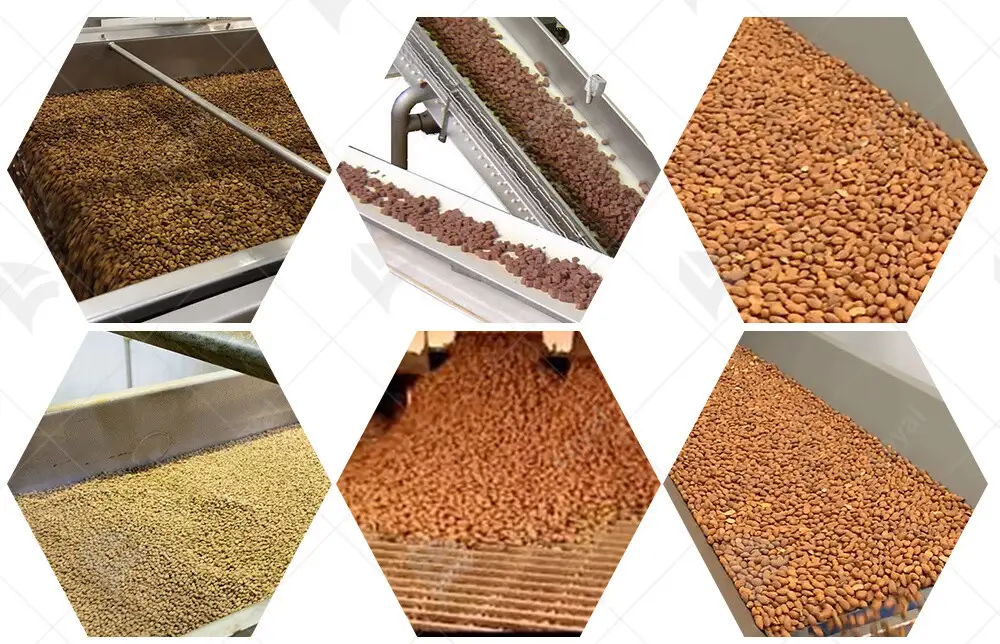
Advantages of Fully Automated, Energy-Efficient Animal Feed Pellet Machines
In the ever-evolving landscape of animal nutrition, the adoption of fully automated, energy-efficient Animal Feed Pellet Machines has emerged as a game-changer. These advanced machines offer a multitude of benefits that not only streamline the feed production process but also enhance the quality and efficiency of animal feed, ultimately contributing to the overall health and productivity of livestock.
1. Enhanced Production Efficiency:
Fully automated systems eliminate the need for manual labor in feed pellet production, significantly reducing the risk of human error and improving operational efficiency. These machines are designed to operate continuously, ensuring a consistent flow of high-quality pellets, which in turn leads to increased production volumes and lower unit costs.
2. Consistent Product Quality:
One of the key advantages of fully automated Animal Feed Pellet Machines is their ability to produce consistent, uniform pellets. This consistency is achieved through precise control over the mixing, conditioning, and extrusion processes, ensuring that each pellet contains the optimal blend of nutrients tailored to the specific needs of the target animal species. This not only enhances the palatability of the feed but also promotes better nutrient absorption and utilization.
3. Energy Efficiency:
Energy efficiency is a crucial consideration in modern agriculture, and fully automated Animal Feed Pellet Machines are designed to minimize energy consumption. These machines incorporate advanced technologies such as efficient motors, optimized drive systems, and thermal insulation, which significantly reduce energy wastage during the production process. As a result, farmers can save on energy costs while reducing their carbon footprint.
4. Reduced Waste and Contamination:
The fully automated nature of these machines minimizes the risk of contamination and waste during feed production. Automated ingredient weighing and mixing processes ensure accurate formulation, while enclosed production lines prevent exposure to external contaminants. Additionally, the production of uniform pellets reduces the likelihood of nutrient segregation during handling and feeding, further minimizing waste.
5. Enhanced Flexibility and Scalability:
Fully automated Animal Feed Pellet Machines offer a high degree of flexibility, allowing farmers to easily adjust production parameters to meet changing demands or the specific requirements of different animal species. Moreover, these machines can be scaled up or down to accommodate varying production volumes, ensuring that farmers can optimize their operations based on market conditions and resource availability.
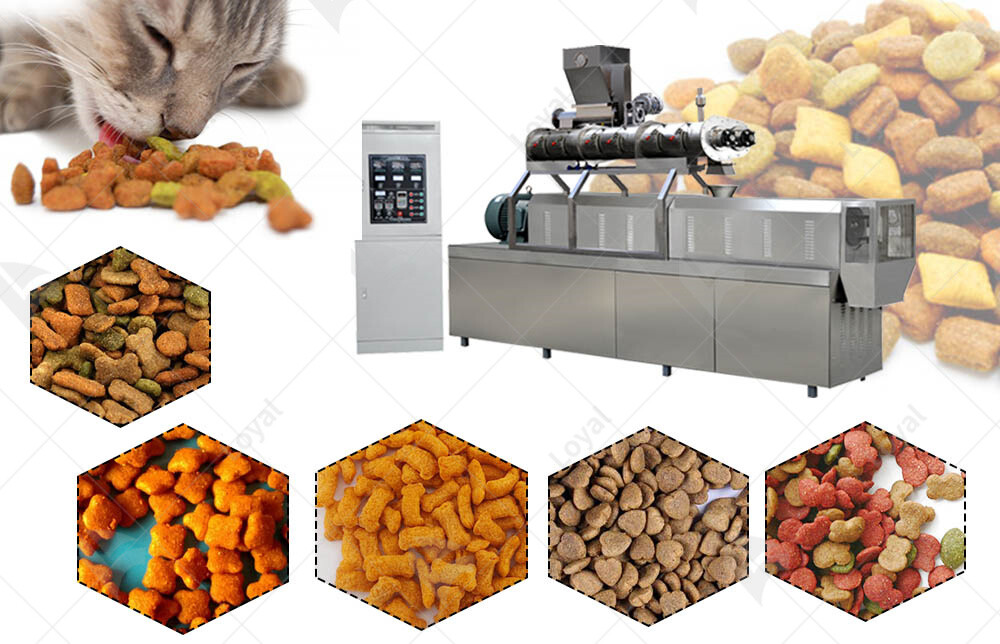
How Fully Automated Systems Work
The integration of fully automated systems into Animal Feed Pellet Machines represents a pivotal advancement in the field of animal nutrition and feed production. These systems streamline the entire process, from ingredient preparation to final product output, ensuring efficiency, precision, and consistency. In this section, we delve into the workings of these fully automated systems and how they revolutionize the industry.
Ingredient Handling and Weighing | At the heart of any fully automated Animal Feed Pellet Machine lies the ingredient handling system. This sophisticated network of conveyors, hoppers, and weighing scales automatically meters out precise amounts of each ingredient based on the pre-set formula. The system eliminates the need for manual weighing and mixing, reducing the risk of human error and ensuring that every batch of feed is formulated with exacting accuracy. |
Conditioning and Mixing | Once the ingredients are accurately weighed and combined, they are transferred to the conditioning and mixing stage. In this phase, the mixture is heated and moistened to the optimal temperature and moisture content, a crucial step in the pelletization process. Fully automated systems precisely control these parameters, ensuring that the mixture is perfectly conditioned for extrusion. The mixing process is also automated, ensuring that the ingredients are thoroughly blended to achieve a uniform consistency throughout the mixture. |
Extrusion and Pelletization | The conditioned mixture is then fed into the extruder, the heart of the Animal Feed Pellet Machine. The extruder applies intense pressure and heat to force the mixture through a die with small holes, shaping it into pellets. The fully automated system ensures that the extruder operates at the optimal speed and temperature, producing pellets of consistent size, shape, and density. These pellets are then cut to the desired length and conveyed to the next stage of the process. |
Drying and Cooling | Newly extruded pellets are typically hot and moist, requiring a drying and cooling stage to stabilize their quality. Fully automated systems incorporate efficient drying and cooling chambers that remove excess moisture and bring the pellets to the appropriate temperature. This process ensures that the pellets are ready for storage and transportation, maintaining their nutritional value and palatability. |
Packaging and Distribution | Finally, the dried and cooled pellets are conveyed to the packaging area. Fully automated packaging systems ensure that the pellets are accurately weighed, bagged, and labeled according to customer specifications. The packaged pellets are then ready for distribution to farms, feed mills, or other destinations. |
Challenges and Considerations
The transition to fully automated, energy-efficient Animal Feed Pellet Machines presents numerous advantages for the animal nutrition industry, but it also comes with its fair share of challenges and considerations. As an industrial food machinery expert, it's crucial to address these aspects to ensure a smooth and successful implementation process.
Initial Investment Costs | One of the primary challenges is the significant initial investment required for purchasing and installing a fully automated, energy-efficient Animal Feed Pellet Machine. These systems are highly sophisticated and incorporate advanced technologies, making them more expensive than traditional, less automated models. However, the long-term benefits in terms of increased efficiency, reduced labor costs, and improved product quality often justify the upfront costs. |
Technical Expertise | Another challenge lies in the technical expertise needed to operate and maintain these machines. Fully automated systems require specialized knowledge and training to ensure optimal performance. Manufacturers often provide comprehensive training programs, but it's essential for operators to continuously update their skills to stay abreast of technological advancements. |
Integration with Existing Infrastructure | Implementing a fully automated Animal Feed Pellet Machine may also involve integrating it with existing infrastructure, such as ingredient storage facilities, conveyor systems, and packaging lines. This integration process can be complex and requires careful planning to ensure seamless operation. |
Energy Efficiency and Sustainability | While energy efficiency is a key selling point of these machines, it's essential to consider the overall energy consumption and environmental impact of the production process. Manufacturers are increasingly incorporating eco-friendly features, such as energy-saving motors and insulation, to minimize the carbon footprint of their machines. However, operators must also adopt sustainable practices, such as recycling waste materials and optimizing production schedules, to maximize the environmental benefits. |
Maintenance and Repair | Regular maintenance and timely repairs are crucial for maintaining the optimal performance of fully automated Animal Feed Pellet Machines. These systems are complex and require specialized tools and parts for maintenance. It's essential to establish a robust maintenance schedule and have access to reliable service providers to minimize downtime and ensure continuous production. |
Regulatory Compliance | Finally, it's essential to ensure that the fully automated Animal Feed Pellet Machine complies with all relevant regulations and standards. This includes adhering to food safety guidelines, ensuring that the machine meets hygiene requirements, and complying with environmental regulations. Manufacturers typically provide guidance on regulatory compliance, but operators must also stay informed about any changes in regulations to ensure ongoing compliance. |
Future Trends and Innovations
The landscape of animal nutrition is constantly evolving, and the fully automated, energy-efficient Animal Feed Pellet Machine stands at the forefront of this transformation. As an industrial food machinery expert, I am excited to delve into the future trends and innovations that will shape the development of these machines.
1.Advancements in Automation Technology:
One of the most significant trends in Animal Feed Pellet Machines is the increasing sophistication of automation technology. Manufacturers are continuously integrating new technologies, such as artificial intelligence (AI) and machine learning, to enhance the machines' capabilities. These advancements allow for real-time monitoring and adjustment of production parameters, ensuring consistent product quality and minimizing waste.
2.Greater Energy Efficiency:
Energy efficiency is another area where we can expect significant improvements. Manufacturers are investing in research and development to create machines that consume less energy while maintaining or even improving production rates. This not only reduces operating costs but also contributes to a more sustainable production process.
3.Precision Ingredient Mixing:
The accurate mixing of ingredients is crucial for the nutritional value of animal feed. Future Animal Feed Pellet Machines will incorporate more advanced mixing technologies that ensure precise ingredient ratios and uniform distribution throughout the feed pellets. This will lead to more consistent and nutritious feed products for animals.
4.Modular Design and Flexibility:
Modular design is becoming increasingly popular in the manufacturing of Animal Feed Pellet Machines. This approach allows for greater flexibility in terms of production capacity and customization. Manufacturers can offer a range of modules that can be combined to suit specific production needs, enabling operators to quickly adapt to changes in market demand or production requirements.
5.Sustainability and Environmental Considerations:
As sustainability becomes a growing concern, manufacturers are increasingly focusing on designing Animal Feed Pellet Machines that minimize their environmental impact. This includes reducing waste, optimizing energy consumption, and incorporating eco-friendly materials. We can expect to see more machines that are designed with recycling and reuse in mind, reducing the overall environmental footprint of the production process.
6.Integration with IoT and Smart Farming:
The Internet of Things (IoT) and smart farming technologies are transforming the agriculture industry, and Animal Feed Pellet Machines are no exception. Future machines will be able to connect to smart farming systems, allowing for real-time monitoring and optimization of production processes. This integration will enable operators to make data-driven decisions, improving overall efficiency and reducing costs.
Reference
The following are five authoritative foreign literature websites in the field of Industrial food machinery:
1. Food Engineering Magazine
Website: https://www.foodengineeringmag.com/
2.Food Processing Magazine
Website: https://www.foodprocessing.com/
3.Journal of Food Engineering
Website:https://www.journals.elsevier.com/journal-of-food-engineering
4. Food Manufacturing Magazine
Website:https://www.foodmanufacturing.com/
5. International Journal of Food Science & Technology
Website:https://onlinelibrary.wiley.com/