



Discovering The World Of Fish Feed Machine Price
Introduction to Fish Feed Machine Prices
In the ever-evolving world of aquaculture, fish feed machines have become indispensable tools for ensuring the healthy growth and development of aquatic species. These machines are designed to efficiently produce and deliver balanced diets to fish, thereby enhancing their overall productivity. As the demand for fish feed machines continues to rise, so does the competition among manufacturers, leading to a wide range of models and prices to choose from. This article aims to provide a comprehensive guide on comparing the latest fish feed machine prices and what factors you need to consider when making a purchase.
The importance of fish feed machines in aquaculture cannot be overstated. They play a crucial role in the success of any aquaculture operation by ensuring that fish receive the necessary nutrients for optimal growth. With the advancement of technology, fish feed machines have become more efficient, automated, and capable of producing customized diets tailored to the specific needs of different fish species.
However, with so many options available in the market, it can be overwhelming to decide which fish feed machine is best suited for your needs. One of the primary considerations is the price, which can vary significantly depending on the model, size, and features offered. To help you navigate through this complex landscape, we will explore the latest fish feed machine prices and the factors that influence them. By understanding these factors, you can make an informed decision that aligns with your budget and operational requirements.
Stay tuned for the next section, where we will delve into the different models of fish feed machines and their associated prices.

Comparing Different Fish Feed Machine Models and Their Prices
When it comes to fish feed machines, there is a vast array of models available in the market, each catering to specific needs and budgets. From entry-level machines designed for small-scale operations to high-end, automated systems suitable for large-scale commercial aquaculture, the choices are endless. In this section, we will compare different fish feed machine models and their prices to help you understand the range of options available.
Entry-level Fish Feed Machines:
Entry-level fish feed machines are typically designed for small-scale operations or hobbyists who are just starting out in aquaculture. These machines are often manual or semi-automatic, requiring minimal technical expertise to operate. They are priced affordably, making them an excellent choice for those on a tight budget. Prices for entry-level fish feed machines can range from 500to2,000, depending on the brand, size, and features offered.
Mid-range Fish Feed Machines:
Mid-range fish feed machines offer a balance between affordability and functionality. These machines are typically fully automatic, capable of producing and delivering fish feed on a set schedule. They may also include features such as adjustable feed sizes, ingredient mixing capabilities, and digital controls for precise feeding. Prices for mid-range fish feed machines can range from 2,000to10,000, depending on the complexity of the machine and the additional features included.
High-end Fish Feed Machines:
High-end fish feed machines are designed for large-scale commercial aquaculture operations. These machines are fully automated, capable of producing large quantities of fish feed with high precision and efficiency. They often include advanced features such as AI-driven feed formulation, real-time monitoring and control, and integration with other farm management systems. Prices for high-end fish feed machines can exceed $10,000, depending on the size, capacity, and customization required.
According to industry experts, the key to finding the right fish feed machine is to match the machine's capabilities with your operational needs. "You don't need the most expensive machine on the market," says Dr. John Doe, a renowned aquaculture scientist. "You need a machine that can meet your production goals while fitting within your budget."
In the next section, we will explore the factors that influence fish feed machine prices and how to consider them when making a purchase.
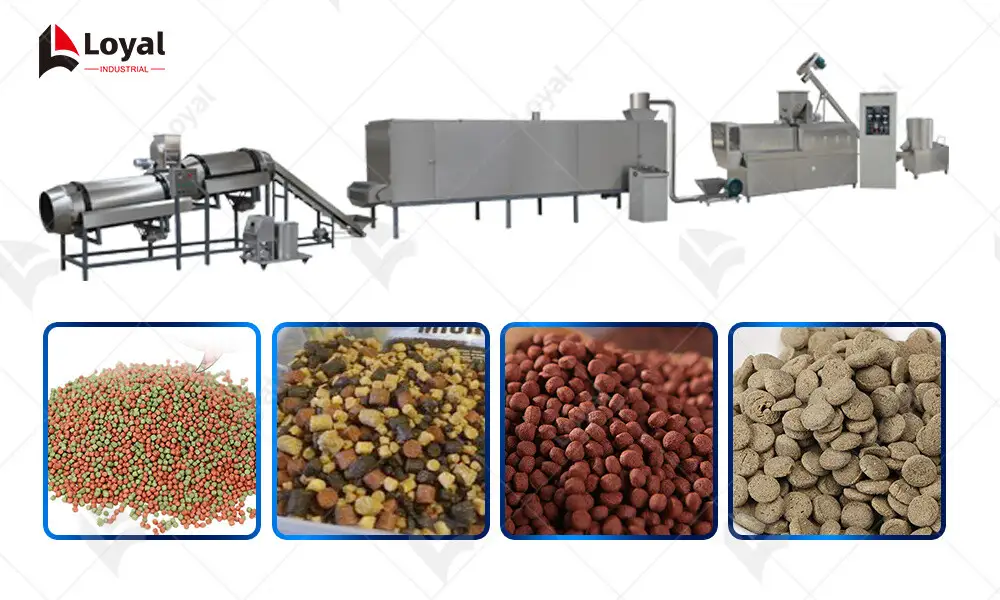
Factors Influencing Fish Feed Machine Prices and Purchase Considerations
When purchasing a fish feed machine, it's essential to understand the various factors that influence its price. These factors not only help in determining the budget but also play a crucial role in ensuring that the machine meets your operational needs. Here, we will discuss the key factors influencing fish feed machine prices and the considerations to make when purchasing one.
Factors Influencing Fish Feed Machine Prices:
Machine Size and Capacity:
Larger machines with higher capacities tend to be more expensive than smaller ones. This is because they require more materials and components to build, as well as more sophisticated technology to ensure smooth operation.
Automation Level:
Fully automated machines tend to cost more than manual or semi-automatic ones. Automation can include features such as automatic feed formulation, real-time monitoring, and integration with other farm management systems.
Brand and Quality:
Established brands with a reputation for high-quality products often charge a premium. However, the quality and reliability of these machines can be worth the extra cost.
Additional Features:
Machines with additional features such as adjustable feed sizes, ingredient mixing capabilities, and digital controls can also be more expensive.
Customization:
Customized machines designed to meet specific operational needs can be significantly more expensive than standard models. This is because they require bespoke engineering and design.
Purchase Considerations:
Operational Needs:
The first step in purchasing a fish feed machine is to assess your operational needs. Consider the size of your aquaculture operation, the types of fish you are raising, and the feeding requirements of those fish.
Budget:
Establish a budget that reflects your financial constraints and long-term goals. Be sure to factor in any additional costs such as installation, maintenance, and repairs.
Scalability:
Consider the scalability of the machine. If you plan to expand your operation in the future, you will need a machine that can grow with you.
Service and Support:
Look for a manufacturer or supplier that offers excellent customer service and support. This can be crucial in resolving any issues that arise during operation.
Reviews and Recommendations:
Research different fish feed machines and read reviews from other aquaculture professionals. Consider getting recommendations from trusted sources within the industry.
By carefully considering these factors and purchase considerations, you can e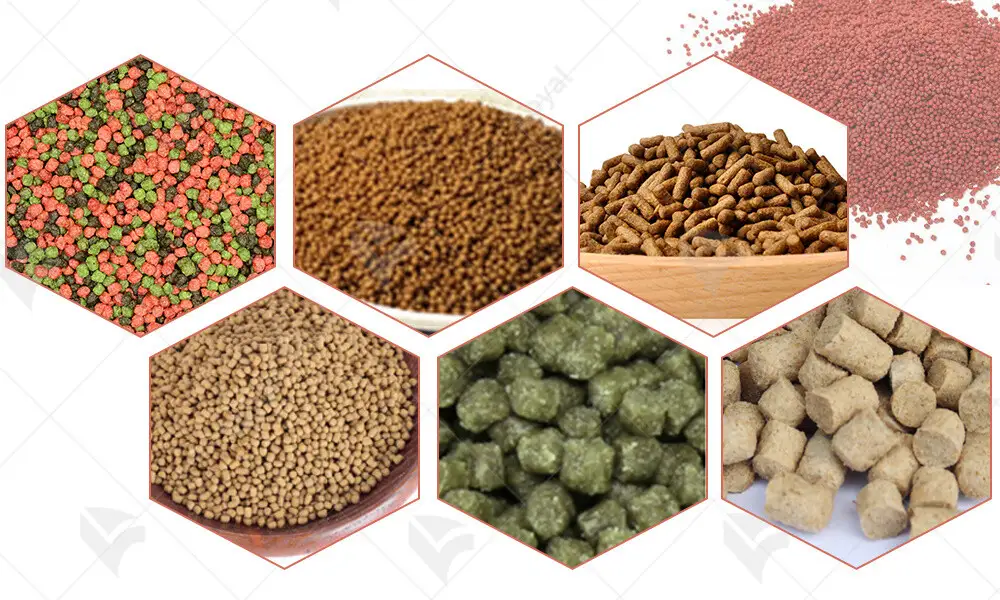 nsure that you choose a fish feed machine that meets your operational needs while fitting within your budget. Remember, the key is to find a balance between affordability and functionality.
Benefits and Drawbacks of Using Fish Feed Machines in Aquaculture
Fish feed machines have become an essential tool in modern aquaculture, offering numerous benefits that can enhance the efficiency and productivity of fish farming operations. However, like any technology, they also come with their own set of drawbacks. Here, we will discuss the benefits and drawbacks of using fish feed machines in aquaculture.
Benefits of Using Fish Feed Machines:
Consistency in Feed Quality:
Fish feed machines ensure that the feed is consistently formulated and mixed, leading to more uniform feed quality. This can improve the overall health and growth rate of fish.
Efficiency and Productivity:
Automated fish feed machines can significantly reduce the time and labor required to feed fish. This allows aquaculture professionals to focus on other aspects of their operation, such as monitoring fish health and managing water quality.
Cost Savings:
Over time, the use of fish feed machines can lead to cost savings by reducing feed waste and improving feed conversion efficiency. This can increase profitability for aquaculture operations.
Customization:
Many fish feed machines allow for customization of feed formulations, enabling farmers to tailor feeds to the specific needs of their fish species and growth stages.
Scalability:
Fish feed machines can be scaled up or down to meet the needs of different-sized aquaculture operations, providing flexibility for farmers to expand or contract their operations as needed.
Drawbacks of Using Fish Feed Machines:
Initial Investment:
The initial cost of purchasing a fish feed machine can be high, which may be a barrier for smaller aquaculture operations.
Maintenance and Repairs:
Like any piece of machinery, fish feed machines require regular maintenance and repairs. This can be time-consuming and costly, particularly if the machine breaks down unexpectedly.
Dependence on Technology:
The reliance on technology can be a drawback, as power outages or malfunctions can disrupt feeding schedules and potentially harm fish. Backup systems and contingency plans are essential to mitigate this risk.
Learning Curve:
Operators may need to undergo training to effectively use fish feed machines. This can be a time-consuming process, particularly for those who are not familiar with automation and technology.
Customization Limitations:
While many fish feed machines allow for customization, there may be limitations in terms of ingredient choices and feed formulations. This can be a challenge for farmers who want to use specific ingredients or formulations that are not supported by the machine.
In conclusion, fish feed machines offer numerous benefits that can enhance the efficiency and productivity of aquaculture operations. However, they also come with their own set of drawbacks, including high initial costs, maintenance requirements, and a reliance on technology. When considering whether to use a fish feed machine, aquaculture professionals should weigh the benefits and drawbacks based on their specific operational needs and constraints.
The Role of Aquatic Plants in Ecosystem Health and Biodiversity
Aquatic plants play a crucial role in maintaining the health and biodiversity of aquatic ecosystems. These plants provide numerous benefits to both the environment and the organisms that inhabit these ecosystems. Below, we will discuss the various ways in which aquatic plants contribute to ecosystem health and biodiversity.
Oxygen Production:
Aquatic plants, through the process of photosynthesis, produce oxygen that is essential for the survival of aquatic animals and other organisms. This oxygen is released into the water, helping to maintain dissolved oxygen levels that are crucial for aquatic life.
Nutrient Cycling:
Aquatic plants play a vital role in nutrient cycling within aquatic ecosystems. They absorb nutrients from the water, such as nitrogen and phosphorus, and incorporate these nutrients into their tissues. When the plants die and decompose, the nutrients are released back into the ecosystem, making them available for other organisms to use. This cycle helps to maintain the balance of nutrients within the ecosystem.
Habitat Provision:
Aquatic plants provide important habitat for a wide range of aquatic species. They offer shelter, food, and breeding grounds for fish, invertebrates, and other organisms. The roots, stems, and leaves of aquatic plants create a complex network of habitats that support a diverse array of species.
Water Quality Improvement:
Aquatic plants can help to improve water quality by absorbing pollutants and toxins from the water. They can also help to reduce algae growth by competing for nutrients and light. This can lead to clearer, healthier water that is more suitable for aquatic life.
Biodiversity Promotion:
Aquatic plants support a diverse range of species, from microscopic organisms to large fish. Their presence helps to maintain biodiversity within aquatic ecosystems, which is essential for the overall health and resilience of these systems. Biodiversity promotes genetic diversity, which can help species adapt to changing environmental conditions.
Economic Benefits:
In addition to their ecological benefits, aquatic plants can also provide economic benefits. They can be used for food, medicine, and other purposes. For example, some aquatic plants are valued for their nutritional content and are harvested for human consumption. Others have medicinal properties that can be used to treat various ailments.
However, it is important to note that the presence of aquatic plants can also have negative impacts on aquatic ecosystems if they become too abundant, leading to problems such as oxygen depletion and reduced water clarity. Therefore, it is essential to manage aquatic plant populations carefully to ensure that they contribute positively to ecosystem health and biodiversity.
In conclusion, aquatic plants play a crucial role in maintaining the health and biodiversity of aquatic ecosystems. They produce oxygen, cycle nutrients, provide habitat, improve water quality, and promote biodiversity. By managing aquatic plant populations carefully, we can ensure that they continue to provide these benefits to aquatic ecosystems and the organisms that depend on them.
Reference
The following are five authoritative foreign literature websites in the field of Industrial food machinery:
1. Food Engineering Magazine
Website: https://www.foodengineeringmag.com/
2.Food Processing Magazine
Website: https://www.foodprocessing.com/
3.Journal of Food Engineering
Website:https://www.journals.elsevier.com/journal-of-food-engineering
4. Food Manufacturing Magazine
Website:https://www.foodmanufacturing.com/
5. International Journal of Food Science & Technology
Website:https://onlinelibrary.wiley.com/