



The Ultimate Floating Fish Feed Ppellet Machine Guide to 2024
Introduction to Floating Fish Feed Pellet Machine
A floating fish feed pellet machine is a crucial piece of equipment in modern aquaculture, facilitating the production of high-quality feed pellets for fish. These machines are designed to efficiently convert raw materials into floating pellets that meet the nutritional requirements of various fish species.
As the demand for high-quality fish feed continues to grow, advancements in floating fish feed pellet machine technology are driving innovation in the aquaculture industry. From improved pellet durability to enhanced nutrient retention, these machines play a vital role in ensuring the sustainability and efficiency of fish farming operations worldwide.
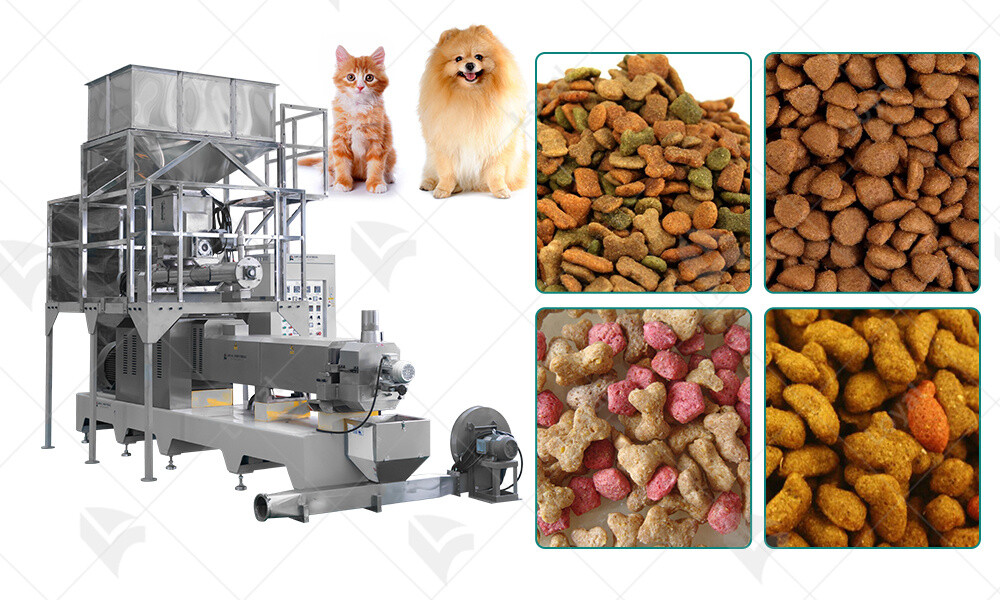
Evolution of Floating Fish Feed Pellet Machines
The evolution of floating fish feed pellet machines has been marked by significant advancements in design, efficiency, and performance. Early models were relatively simple, consisting of basic extruders that lacked precision and consistency in pellet production.
However, as the aquaculture industry expanded and demand for high-quality feed increased, manufacturers began developing more sophisticated machines capable of producing pellets with greater precision and control. These advancements were driven by a combination of technological innovation and a deeper understanding of the nutritional requirements of fish.
One key innovation in the evolution of floating fish feed pellet machines is the incorporation of advanced conditioning systems. These systems allow for precise control of temperature, moisture, and pressure during the pelletization process, resulting in pellets with improved texture, durability, and nutrient retention.
Additionally, modern floating fish feed pellet machines are equipped with advanced control systems that monitor and adjust various parameters in real-time, ensuring consistent pellet quality and production efficiency. This level of automation not only improves the overall performance of the machine but also reduces the risk of human error and variability in feed production.
Overall, the evolution of floating fish feed pellet machines has been driven by a relentless pursuit of efficiency, quality, and sustainability. As technology continues to advance, these machines will play an increasingly important role in meeting the growing demand for high-quality fish feed while minimizing environmental impact.
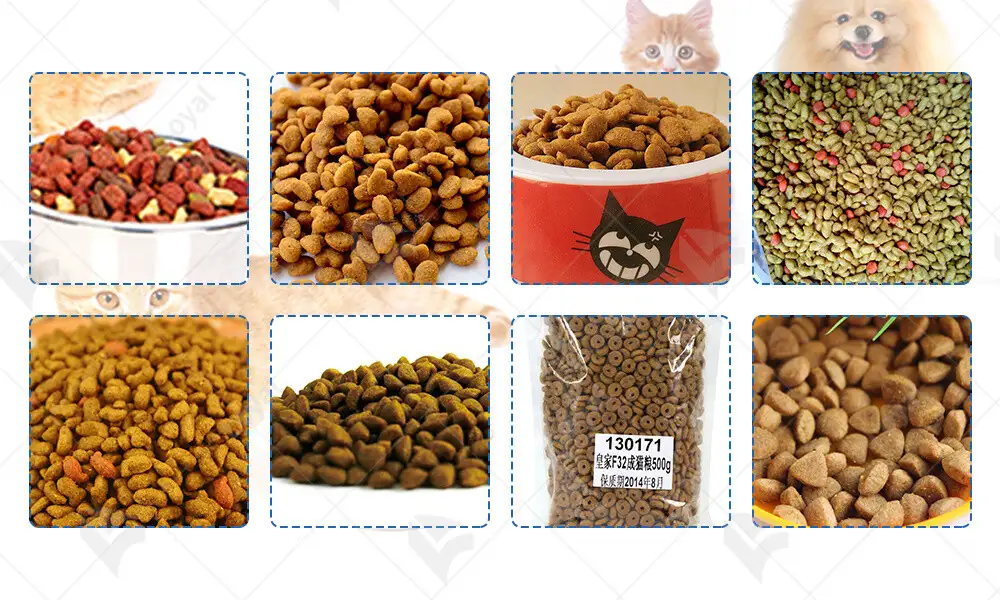
Key Components of Modern Floating Fish Feed Pellet Machines
Floating fish feed pellet machines are intricate pieces of equipment designed to efficiently produce high-quality fish feed pellets. To understand their operation, it's essential to grasp the key components that make up these machines.
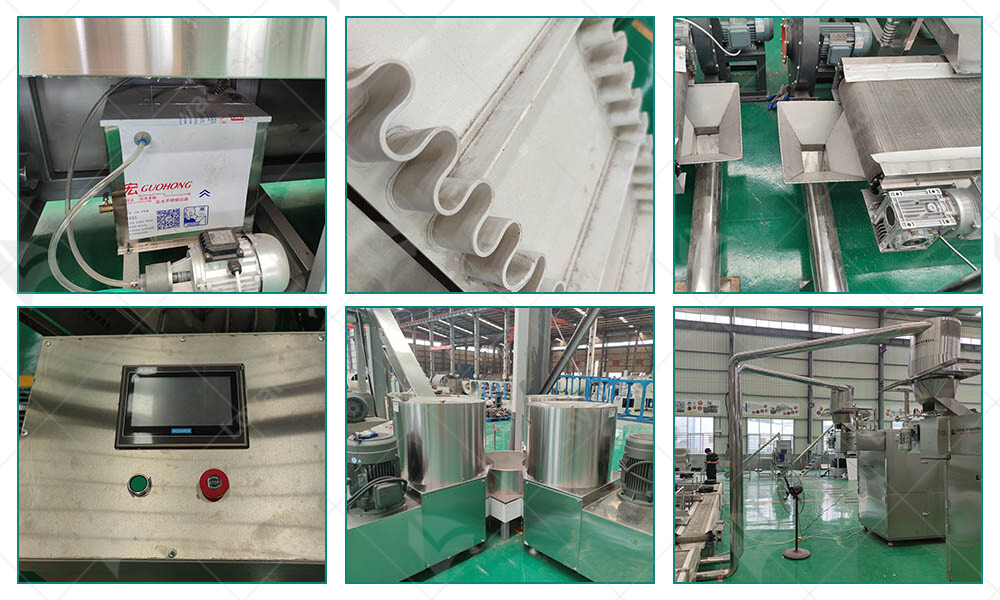
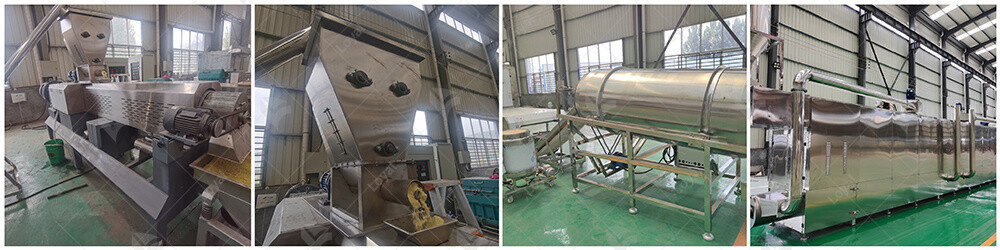
Firstly, the extruder is a crucial component of modern floating fish feed pellet machines. It is responsible for cooking and shaping the feed mixture into pellets. The extruder consists of a barrel, screw, and die, where the raw materials are compressed, heated, and transformed into the desired pellet shape. Its precision engineering ensures consistent pellet size and quality.
Another vital component is the feeder, which accurately delivers the raw materials into the extruder. This component plays a significant role in controlling the feed formulation and pellet density. Advanced feeders incorporate sensors and controls to regulate the flow of ingredients, optimizing the pellet's nutritional content and consistency.
The conditioner is also integral to the operation of floating fish feed pellet machines. This component precisely adjusts the moisture and temperature of the feed mixture before it enters the extruder. By conditioning the raw materials, the machine can achieve optimal pellet formation and enhance digestibility for aquatic species.
Furthermore, the cutting mechanism is essential for shaping the extruded feed into uniform pellets. This component typically consists of rotating knives or blades that cut the extrudate into precise lengths as it emerges from the extruder. The cutting mechanism's design and speed significantly impact the size and texture of the final pellets.
Lastly, the control system is a critical component that governs the overall operation of the floating fish feed pellet machine. It includes electronic controls, sensors, and monitoring devices that regulate parameters such as temperature, pressure, and pellet density. A sophisticated control system ensures consistency in pellet production and allows for real-time adjustments to optimize performance.
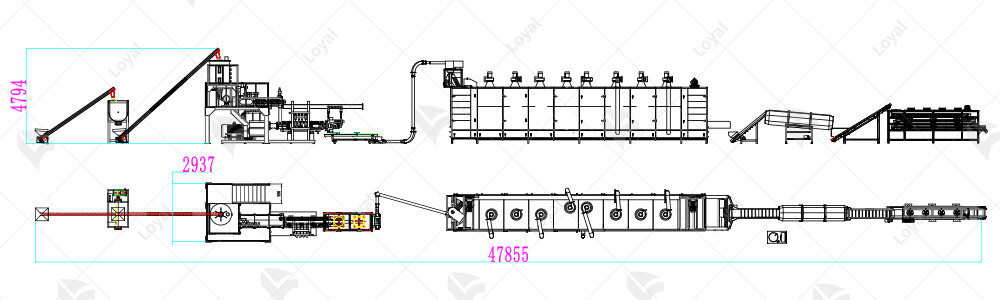
Understanding the Mechanics of Floating Fish Feed Pellet Machines
Floating fish feed pellet machines utilize intricate mechanical processes to produce high-quality feed pellets suitable for aquatic species. Understanding the mechanics behind these machines is essential for optimizing their performance and output.
The process begins with the preparation of raw materials, which typically include a combination of grains, proteins, vitamins, and minerals. These ingredients are carefully selected and mixed to create a balanced feed formulation that meets the nutritional needs of the target fish species.
Once the raw materials are prepared, they are fed into the extruder, the central component of the floating fish feed pellet machine. The extruder consists of a barrel, screw, and die, where the raw materials undergo a series of mechanical and thermal transformations. As the raw material mixture moves through the extruder, it experiences increasing pressure and temperature, leading to gelatinization and expansion.
During the extrusion process, steam and water are injected into the extruder barrel to adjust the moisture content and temperature of the feed mixture. This conditioning step is crucial for optimizing the texture and digestibility of the resulting pellets. The precise control of moisture and temperature ensures consistent pellet quality and nutritional value.
As the feed mixture exits the extruder through the die, it undergoes expansion and shaping. The combination of pressure, heat, and mechanical forces causes the mixture to expand and take on the desired pellet shape. The design of the die determines the size and texture of the final pellets, which can range from fine crumbs to large floating pellets.
After shaping, the extruded feed passes through a cutting mechanism that slices it into uniform lengths. This cutting step is essential for producing pellets of consistent size, which facilitates feeding and digestion for aquatic species.
Finally, the freshly cut pellets are cooled and dried to remove excess moisture and enhance shelf stability. This step may involve passing the pellets through a conveyor belt or air-drying system, depending on the specific machine design.
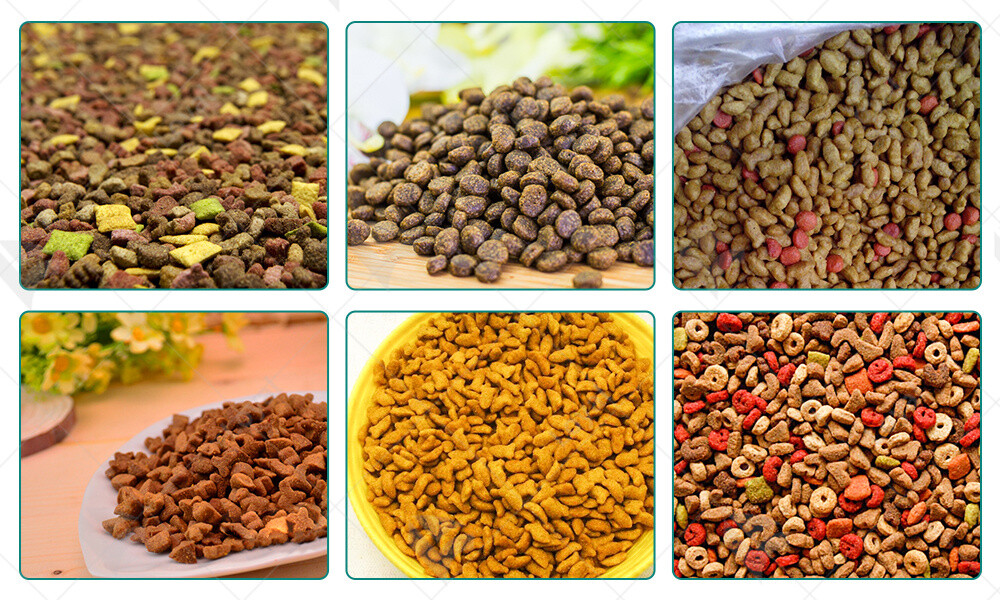
Comparison of Different Types of Floating Fish Feed Pellet Machines
When comparing the floating fish feed pellet machines offered by LOYAL and FEN companies, several key factors come into play. Below is a simple comparison table outlining the differences between the two:
Aspect | LOYAL Company | FEN Company |
Price | Competitive pricing | Slightly higher |
Capacity | Higher throughput | Moderate capacity |
Durability | Robust construction | Durable design |
Technology | Advanced features | Standard features |
Ease of operation | User-friendly | Simple operation |
Maintenance | Regular upkeep | Minimal servicing |
LOYAL's floating fish feed pellet machines are known for their competitive pricing, making them an attractive option for businesses looking to optimize their budget. These machines also boast higher throughput capacities, allowing for increased production efficiency.
On the other hand, FEN Company's floating fish feed pellet machines may come at a slightly higher price point but offer a durable design that ensures longevity. While their capacity is moderate compared to LOYAL's machines, FEN machines are known for their simplicity in operation, requiring minimal training for staff.
In terms of technology, LOYAL Company incorporates advanced features into their machines, providing users with additional functionalities for precise control over the pellet-making process. Meanwhile, FEN Company focuses on delivering reliable performance with standard features that meet the basic requirements of fish feed production.
Maintenance and Care Tips for Floating Fish Feed Pellet Machines
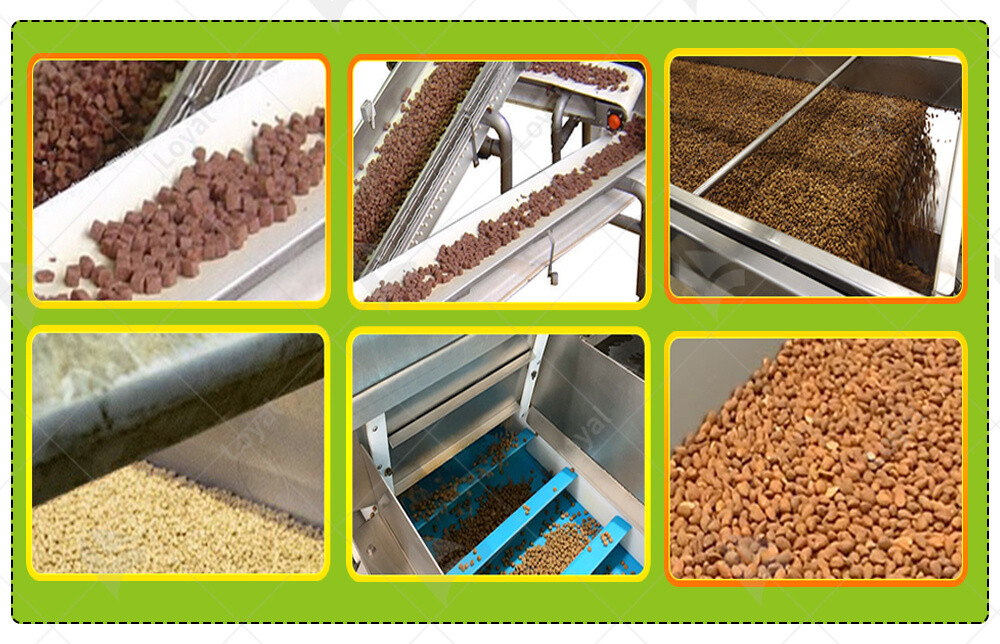
1. Regular Cleaning: Clean the machine thoroughly after each use to remove any residual feed particles or debris. Pay special attention to the die and rollers, as buildup in these areas can affect pellet quality.
2. Lubrication: Keep all moving parts well-lubricated to prevent friction and wear. Use high-quality lubricants recommended by the manufacturer and follow the recommended schedule for lubrication maintenance.
3. Inspection: Conduct routine inspections of the machine components to check for signs of wear or damage. Replace any worn or damaged parts promptly to prevent further issues.
4. Calibration: Periodically calibrate the machine to ensure accurate pellet size and consistency. Follow the manufacturer's guidelines for calibration procedures and frequency.
5. Temperature Control: Maintain proper temperature control during operation to prevent overheating, which can affect the quality of the pellets. Monitor temperature levels closely and make adjustments as needed.
6. Safety Measures: Follow all safety protocols outlined in the machine's manual to prevent accidents or injuries during operation. Ensure that operators are trained in safe handling procedures and use protective equipment as required.
Applications and Benefits of Floating Fish Feed Pellet Machines in Aquaculture
In aquaculture, the utilization of floating fish feed pellet machines has revolutionized the way fish feed is produced and utilized. These machines play a pivotal role in enhancing aquaculture productivity while ensuring optimal nutrition for fish populations.
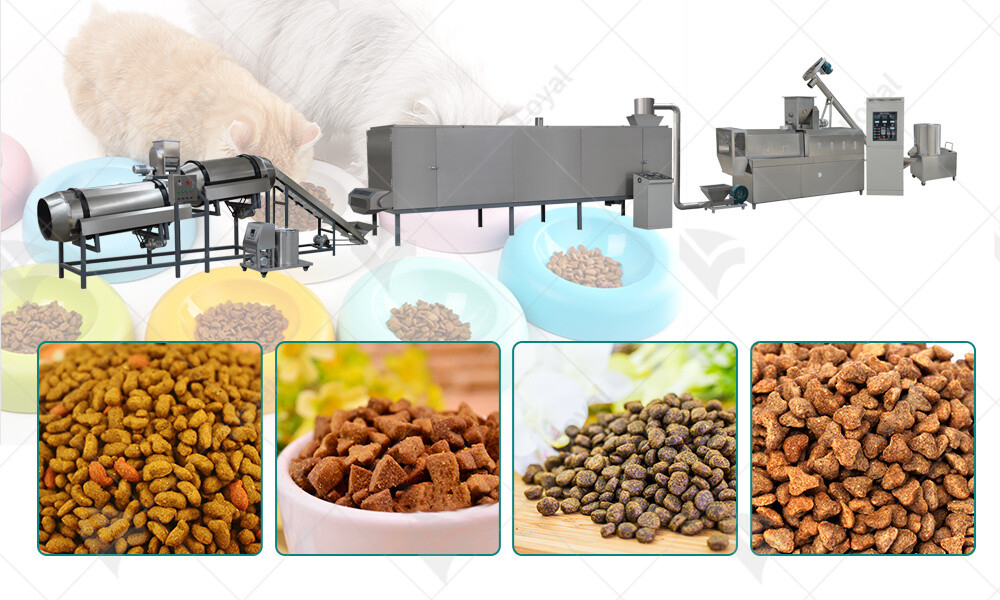
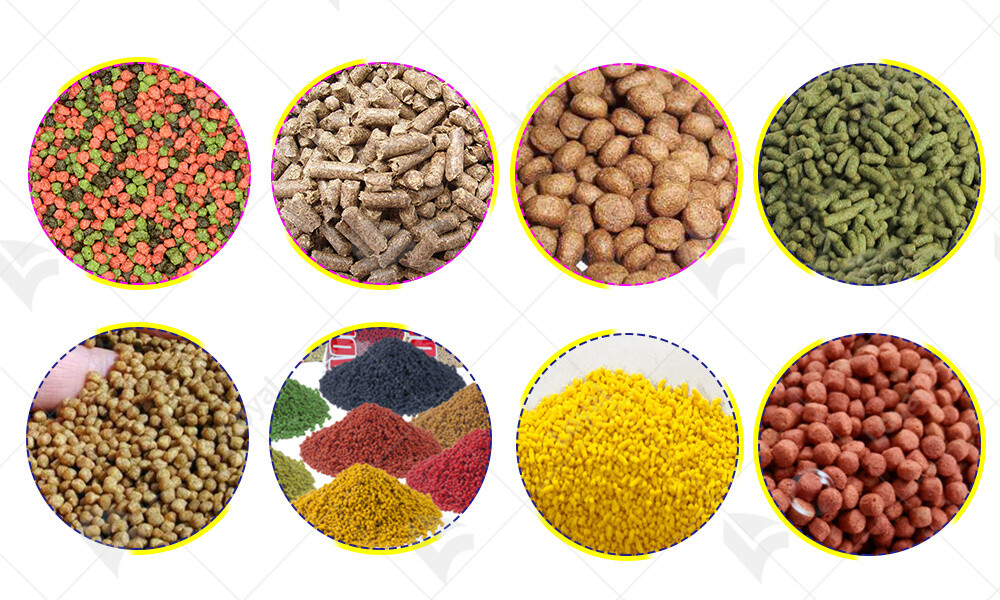
Floating fish feed pellet machines are extensively employed in various aquaculture settings, ranging from small-scale fish farms to large commercial operations. Their versatility allows for the production of pellets suitable for a wide range of fish species, including tilapia, carp, catfish, and trout, among others. By utilizing floating pellets, fish farmers can easily monitor feed consumption and minimize wastage, leading to improved feed conversion ratios and overall cost-effectiveness.
Moreover, the buoyancy of floating fish feed pellets ensures that they remain on the water surface for an extended period, facilitating efficient feeding practices and reducing water pollution caused by uneaten feed sinking to the bottom. This feature is particularly advantageous in intensive aquaculture systems where water quality management is crucial for maintaining fish health and maximizing growth rates.
One of the significant benefits of floating fish feed pellet machines is their ability to produce customized feed formulations tailored to the specific nutritional requirements of different fish species and developmental stages. By adjusting ingredient composition, pellet size, and buoyancy characteristics, fish farmers can optimize feed performance and promote the growth and well-being of their fish stocks.
In conclusion, the applications and benefits of floating fish feed pellet machines in aquaculture are multifaceted and far-reaching. From enhancing feed efficiency and fish growth to promoting environmental sustainability, these machines play a crucial role in supporting the growth and development of the aquaculture industry. As innovations continue to drive advancements in feed technology, the future holds promising prospects for further optimizing feed production processes and maximizing the potential of aquaculture systems.
Innovations and Trends in Floating Fish Feed Pellet Machine Technology
The evolution of floating fish feed pellet machine technology has been marked by continuous innovation and adaptation to meet the evolving needs of the aquaculture industry. Recent trends in this field reflect a convergence of technological advancements aimed at improving feed quality, production efficiency, and sustainability.
One notable innovation is the integration of automated control systems and data analytics into floating fish feed pellet machines, enabling real-time monitoring of key process parameters such as pellet size, density, and moisture content. By leveraging sensors and advanced algorithms, manufacturers can optimize machine performance, enhance product consistency, and minimize production variability.
Additionally, there is a growing emphasis on the development of environmentally friendly feed formulations and processing techniques that reduce reliance on marine resources and minimize ecological impacts. This includes the use of alternative protein sources such as insect meal, algae, and microbial biomass, as well as the adoption of extrusion technology to improve feed digestibility and nutrient utilization by fish.
Another trend shaping the future of floating fish feed pellet machines is the integration of digital connectivity and smart manufacturing principles, enabling remote monitoring, predictive maintenance, and adaptive process control. By leveraging Internet of Things (IoT) technology and cloud-based platforms, manufacturers can optimize machine uptime, minimize downtime, and streamline production workflows for maximum efficiency.
There is a growing demand for modular and scalable feed processing solutions that cater to the diverse needs of small-scale and large-scale aquaculture operations alike. This includes the development of compact, mobile units that can be easily transported and deployed in remote or resource-constrained environments, as well as the customization of machine configurations to accommodate specific feed formulations and production volumes.
Common Issues with Floating Fish Feed Pellet Machines
1. What are some common issues encountered with floating fish feed pellet machines?
Common issues include uneven pellet size, clogging of the machine due to impurities in the feed ingredients, motor malfunctions, and wear and tear of machine parts over time.
2. How can uneven pellet size affect the performance of floating fish feed pellet machines?
Uneven pellet size can lead to inconsistent feeding, affecting fish growth rates and overall feed conversion ratios. It may also result in wastage of feed and increased production costs.
3. What are some possible causes of clogging in floating fish feed pellet machines?
Clogging can occur due to the presence of foreign objects or debris in the feed ingredients, excessive moisture content leading to clumping, or inadequate conditioning of the feed prior to pelleting.
4. How can motor malfunctions impact the operation of floating fish feed pellet machines?
Motor malfunctions can result in decreased production efficiency, unexpected downtime, and increased maintenance costs. They may also cause overheating or electrical hazards if not addressed promptly.
5. What maintenance measures can be taken to prevent common issues with floating fish feed pellet machines?
Regular cleaning and inspection of machine components, proper adjustment of die clearance, ensuring the quality of raw materials, and routine lubrication of moving parts can help prevent common issues and prolong the lifespan of floating fish feed pellet machines.
References
1. Food and Agriculture Organization of the United Nations (FAO): https://www.fao.org/home/en/
2. American Society of Agricultural and Biological Engineers (ASABE): https://www.asabe.org/
3. The Aquaculture Engineering Society (AES): https://www.aesweb.org/
4. European Aquaculture Society (EAS): https://www.aquaeas.eu/
5. International Aquafeed Magazine:https://www.international-aquafeed.com/